What Your Vet Looks for During a Wellness Exam (That You Can’t See)
What Your Vet Looks for During a Wellness Exam
A wellness exam is much more than a routine checkup for your pet. While you may notice your dog or cat appears healthy at home, veterinarians are trained to identify subtle signs of illness that often go unnoticed by pet owners. Regular wellness exams play a vital role in detecting health concerns early, helping pets receive treatment before conditions become more serious.
Here's a closer look at what your veterinarian evaluates during a wellness exam—and why these assessments are so important.
Overall Body Condition
One of the first things your veterinarian evaluates is your pet's overall body condition. This includes much more than simply checking their weight.
Your veterinarian will assess:
- Body condition score
- Muscle mass
- Weight changes
- Hydration status
- Posture and mobility
Even small changes in weight or muscle tone can signal underlying medical issues that may require further evaluation.
Heart & Lung Function
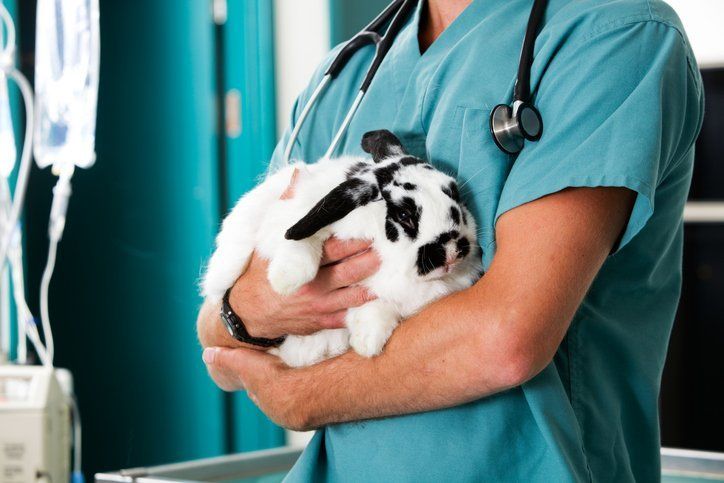
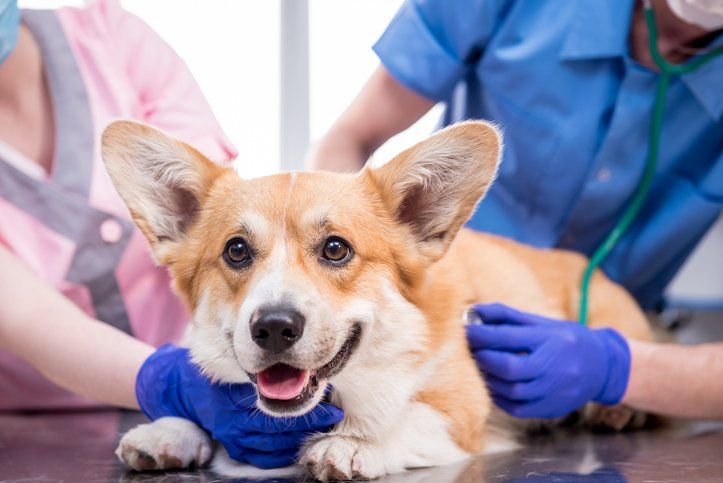
Using a stethoscope, your veterinarian carefully listens to your pet's heart and lungs.
They are checking for:
- Heart murmurs
- Irregular heart rhythms
- Abnormal lung sounds
- Respiratory effort
- Changes in heart rate
Many heart and respiratory conditions develop gradually and may not produce obvious symptoms during the early stages.
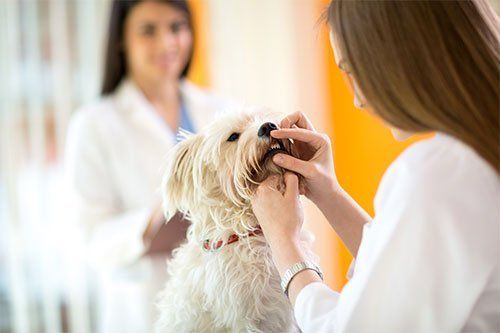
Oral Health
Dental disease is one of the most common health issues in both dogs and cats.
During the exam, your veterinarian looks for:
- Plaque and tartar buildup
- Gum inflammation
- Broken or loose teeth
- Oral masses
- Signs of pain or infection
Early dental care can help prevent discomfort and reduce the risk of infections that may affect other organs.
Eyes, Ears & Nose
Your veterinarian examines your pet's sensory organs for signs of disease or injury.
This includes checking for:
- Eye clarity
- Cataracts
- Redness or discharge
- Ear infections
- Excessive wax buildup
- Nasal discharge
These evaluations help detect conditions that may affect vision, hearing, or overall health.
Skin & Coat Health
A healthy coat often reflects good overall health.
Your veterinarian evaluates:
- Skin condition
- Hair quality
- Lumps or bumps
- Parasites
- Allergies
- Areas of irritation
Many skin conditions can be treated more effectively when diagnosed early.
Joint & Mobility Assessment
Pets naturally hide discomfort, making joint problems difficult to recognize at home.
During the examination, your veterinarian checks:
- Joint flexibility
- Range of motion
- Signs of arthritis
- Muscle symmetry
- Pain responses
- Gait abnormalities
Early intervention may help improve your pet's comfort and mobility as they age.
Abdominal Examination
Your veterinarian gently feels your pet's abdomen to evaluate the internal organs.
This examination helps detect:
- Enlarged organs
- Abnormal masses
- Fluid accumulation
- Pain or tenderness
- Digestive abnormalities
Many internal conditions cannot be seen externally but may be identified during a physical examination.
Lymph Nodes & Immune Health
Lymph nodes are an important part of your pet's immune system.
During the exam, your veterinarian checks for:
- Enlarged lymph nodes
- Signs of infection
- Inflammation
- Potential systemic disease
Changes in lymph nodes can sometimes be one of the earliest indicators of illness.
Behavior & Overall Wellness
Your veterinarian also considers your pet's behavior and lifestyle.
Topics often discussed include:
- Appetite
- Energy levels
- Drinking habits
- Sleeping patterns
- Bathroom habits
- Behavioral changes
Even subtle changes at home can provide valuable clues about your pet's health.
Schedule Your Next Pet Wellness Exam Today
Your veterinarian sees much more during a wellness exam than what is visible on the surface. From listening to your pet's heart and lungs to evaluating their joints, oral health, skin, and internal organs, every part of the examination is designed to detect potential concerns before they become major problems. If you're interested in scheduling an upcoming wellness exam for your pet, we urge you to contact one of the knowledgeable representatives at Knickerbocker Road Animal Hospital. Our team is proud to support visitors across San Antonio, TX and all the surrounding regions!